
From Seed to Harvest: A Closer Look at the Process
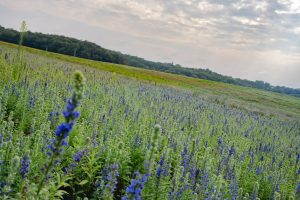
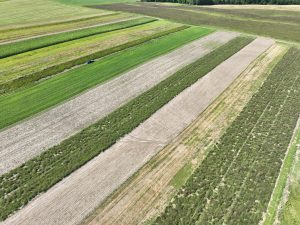
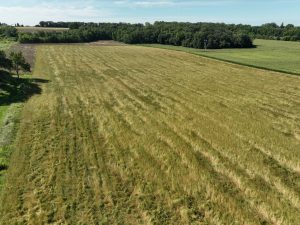
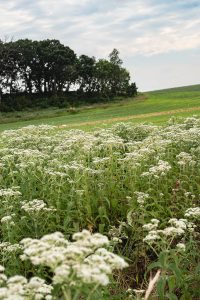
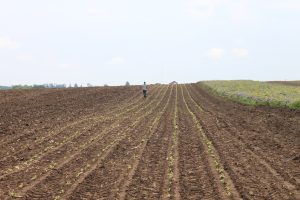
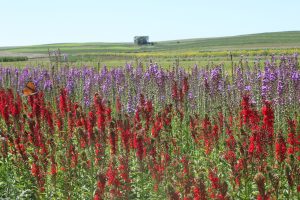
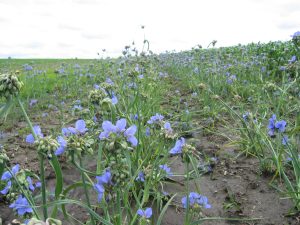
Our work begins with the land. We plant native seed in both large fields—spanning hundreds of acres—and smaller, carefully managed plots. Each site is thoughtfully selected and prepared to give every seed the best possible start. Some areas are planted directly with seed, while others begin with plugs transplanted from our greenhouse.
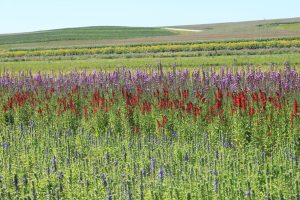
At our home base in Spring Grove, Minnesota, we benefit from being located in the Driftless Region—a unique landscape of rolling hills, valleys, and diverse microclimates. This allows us to grow species in a range of site conditions: wet, dry, shady, and sunny. By matching each species with its ideal environment, we’re able to cultivate a rich variety of native plants.

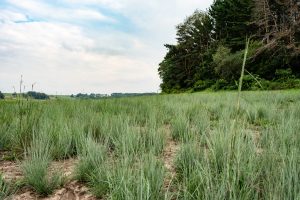
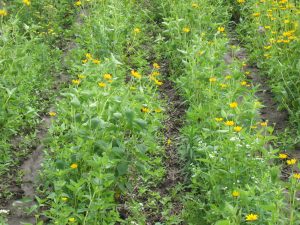
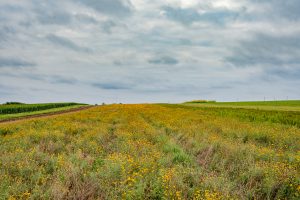
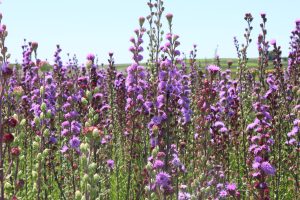




Native Seed Production: A Long-Term Commitment
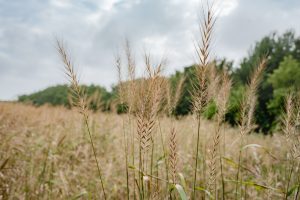
Producing native seed is a long and unpredictable journey. It can take several years for a production field to yield viable seed, and even then, success is never guaranteed. Once established, some fields may thrive for years—or even decades—while others prove short-lived.
This work is not for the faint of heart. Many native species resist monoculture cultivation, and some may never mature under controlled conditions, no matter how carefully managed. Growing native seed requires patience, persistence, and a deep respect for nature’s complexity.
Start with Seed
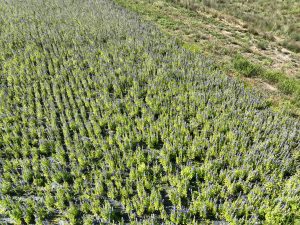
Some fields are planted directly with foundation seed, while others begin in the greenhouse. Each year, we grow more than 100,000 plugs for transplanting into the field. Some production fields may remain in rotation for many years, until the quality of the stand naturally declines.
Managing Production Fields
Throughout the growing season, we manage the fields diligently, with a focus on controlling weeds that can compete with native species. Our goal is to support a healthy, balanced ecosystem that allows each plant thrive.
Weed management is a constant challenge, but we employ a variety of strategies to stay ahead. Fortunately, our advanced seed cleaning systems ensure that unwanted seeds are removed from the final product—even when some slip through the growing process.
See Our Gallery of Production Field Photos here.
Harvest: A Coordinated Effort
Harvest typically begins around the Fourth of July and extends through Thanksgiving. Because every species matures on its own timeline, harvest is a staggered and highly coordinated effort. Early bloomers are collected in midsummer, while others reach maturity much later in the season.
We use both mechanical and manual harvesting methods. Our combines are specially designed for native seed collection, but for more delicate or small-batch crops, we rely on hand tools—like clippers and buckets—to ensure seed quality.
Drying, Cleaning & Conditioning
After harvest, many seeds are left to dry in the field. From there, they’re moved to drying bins equipped with airflow systems to remove moisture and prepare them for the next stage.
Seed conditioning takes place in our dedicated facility, where we clean and separate seed from stems, chaff, and weed seeds. We also sort by size and weight to meet our strict quality standards.
Ready to Ship
Cleaned and conditioned seed is carefully bagged and stored in our climate-controlled warehouse, ready to be shipped. Every bag represents decades of care, dedication, and a deep respect for the land.